The FIFA World Cup 2026 is shaping up to be a pivotal moment not only in football but also in sports fashion. With teams unveiling their kits, the blend of tradition, culture, and modern design is setting the stage for potential iconography in sport.
This year's offerings reveal a diverse range of aesthetics, reflecting not just the teams' heritage but also a strategic move by brands like Adidas and Nike to captivate audiences in a visually saturated market. Interestingly, a noticeable divergence in quality has emerged, notably with Adidas retaining a strong creative edge while Nike's designs have come under scrutiny for their mediocrity. In an era where branding goes hand-in-hand with sports performance, the visual presentation of a team can significantly influence its marketability and fan engagement. Strong designs can turn players into icons, and kits into the stuff of legend.
Flagship Kits: Standing Out Amidst Mediocrity
The anticipation is palpable as teams gear up for the tournament, co-hosted by the United States, Canada, and Mexico. Mexico's kit has a rich history of showcasing culture through design, and their 2026 home jersey carries the torch of tradition infused with contemporary flair. The subtle Aztec pattern strikes a fascinating balance; it may not scream for attention, but it resonates with cultural significance. This approach isn't just about aesthetics; it taps into a collective pride that fans wear on their sleeves — quite literally.
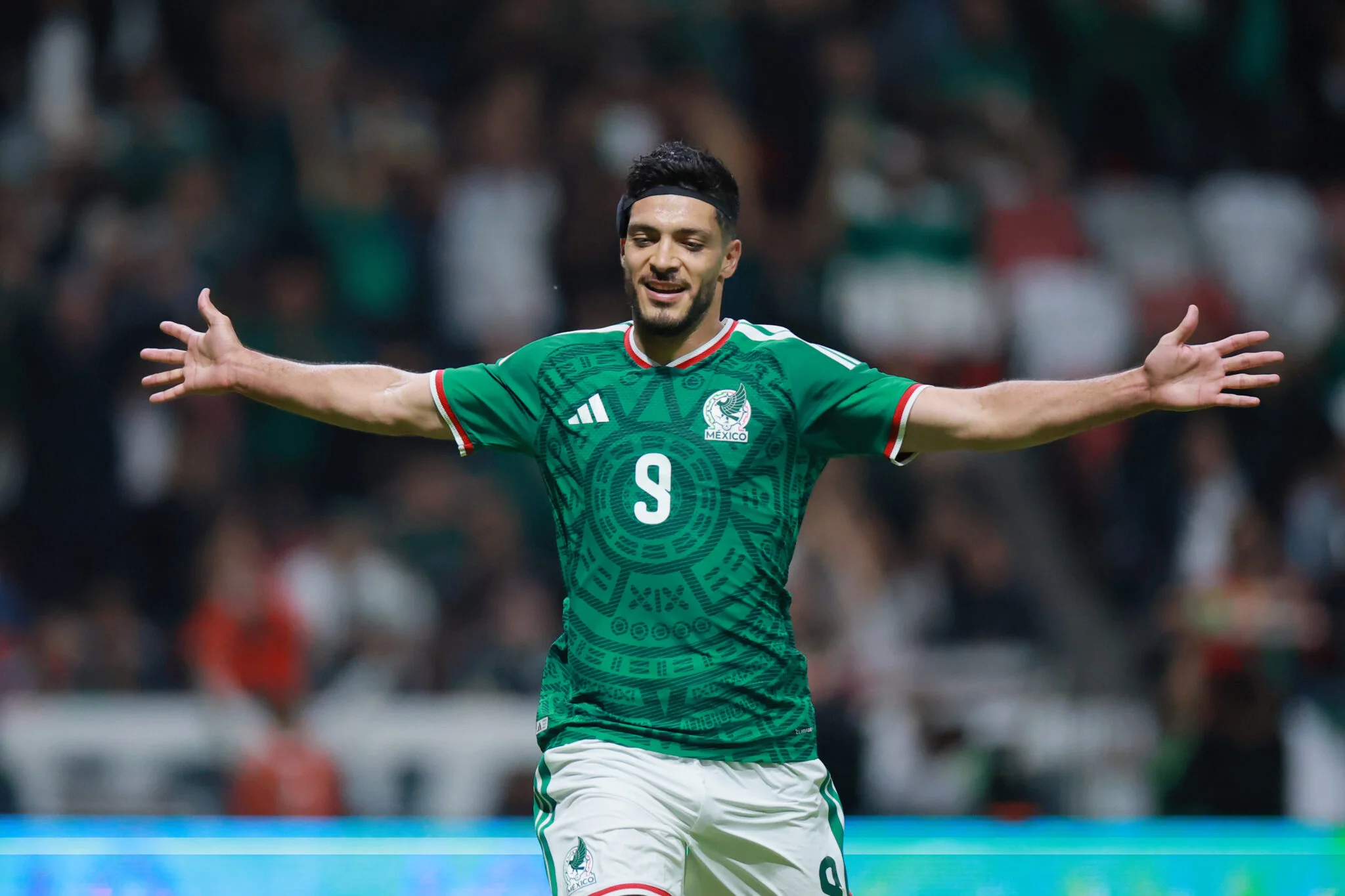
On the other hand, Japan’s away kit makes a bold statement with its multi-coloured pinstriped design and a striking black collar. This design showcases a fresh aesthetic that could appeal to fans on the field but also resonate within streetwear culture, which has seen an unprecedented boom in recent years. Collaborations between sports brands and fashion designers are increasingly blurring the lines, and Japan seems poised to capitalize on this trend, blending sports with lifestyle appeal.

Adidas and the Sentimental Goodbye
One of the standout moments in this kit unveiling season is undoubtedly Germany’s home kit, produced by Adidas in their final collaboration before Nike takes over sponsorship in 2027. Combining elements from legendary kits of the past, the design serves as both a farewell and a celebration of history. It speaks volumes about the nostalgia surrounding the national team while cleverly appealing to a younger demographic. This generation values authenticity and connection to the past, meaning that nostalgia isn't just a gimmick—it's a well-received strategy.
The last-ever adidas Germany home kit. pic.twitter.com/EXDzEMmLSg
— VERSUS (@vsrsus) November 5, 2025
Meanwhile, Ghana’s away kit, inspired by Accra’s Makola Market, integrates a culturally rich aesthetic with functionality. The vibrant design featuring a bold yellow palette becomes a conversation starter on the pitch and off, showcasing a modern approach to kit design that resonates well with fans. By drawing from local elements, this kit doesn't just represent Ghana; it acts as an ambassador for Ghanaian culture on a global stage. This is more significant than it looks.

Colorful Risks and Cultural Tributes
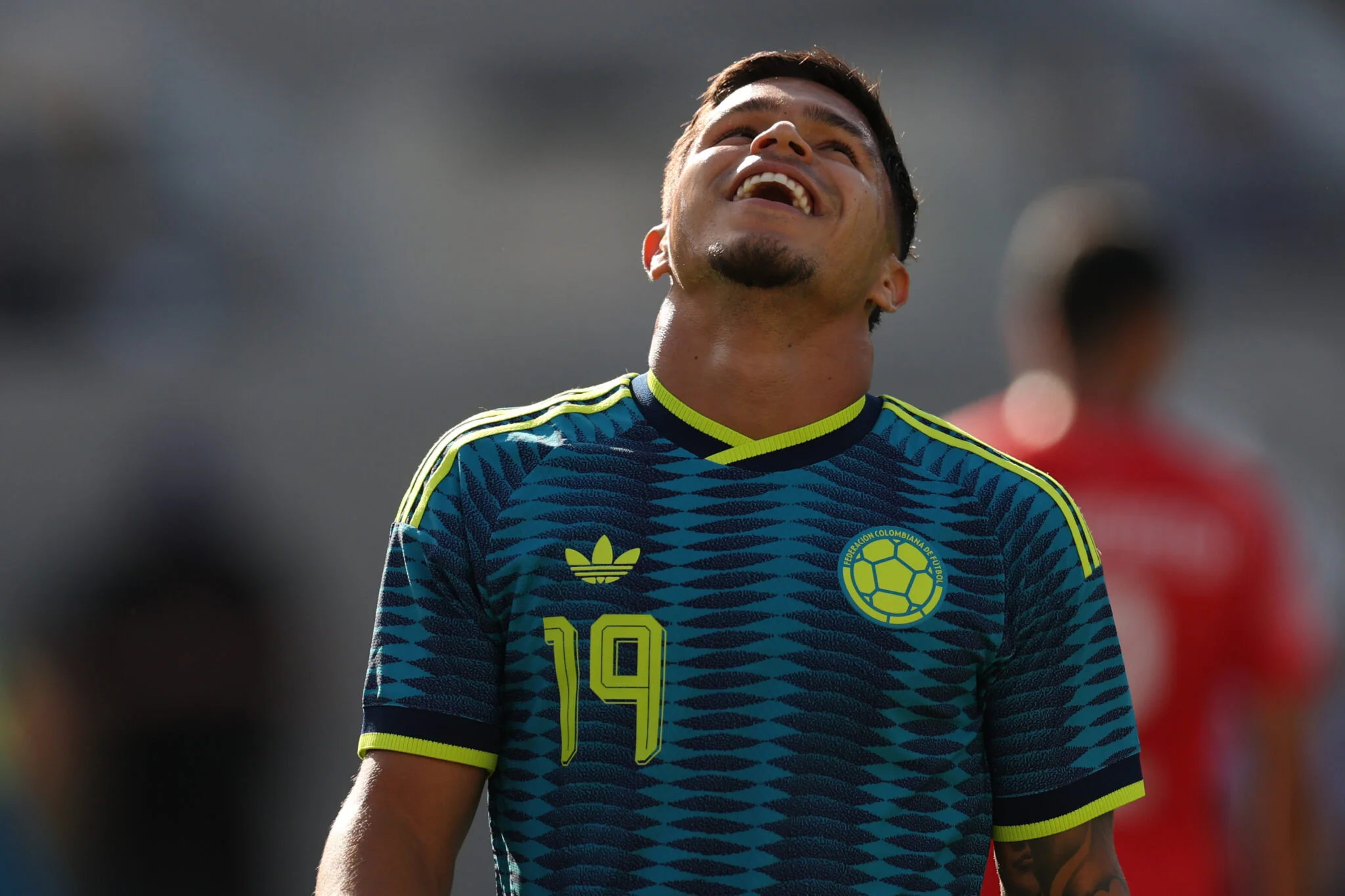
In a move to grab attention, Colombia’s away kit relies on vibrant colors with a pleasing complexity that remains accessible, embodying a bold, spirited identity. It neatly sidesteps the trap of visual overload while still representing a striking visual narrative. Fans might gravitate toward kits that carry personality, and this one seems like a winner without crossing over into chaos, a skill that many brands struggle to master.
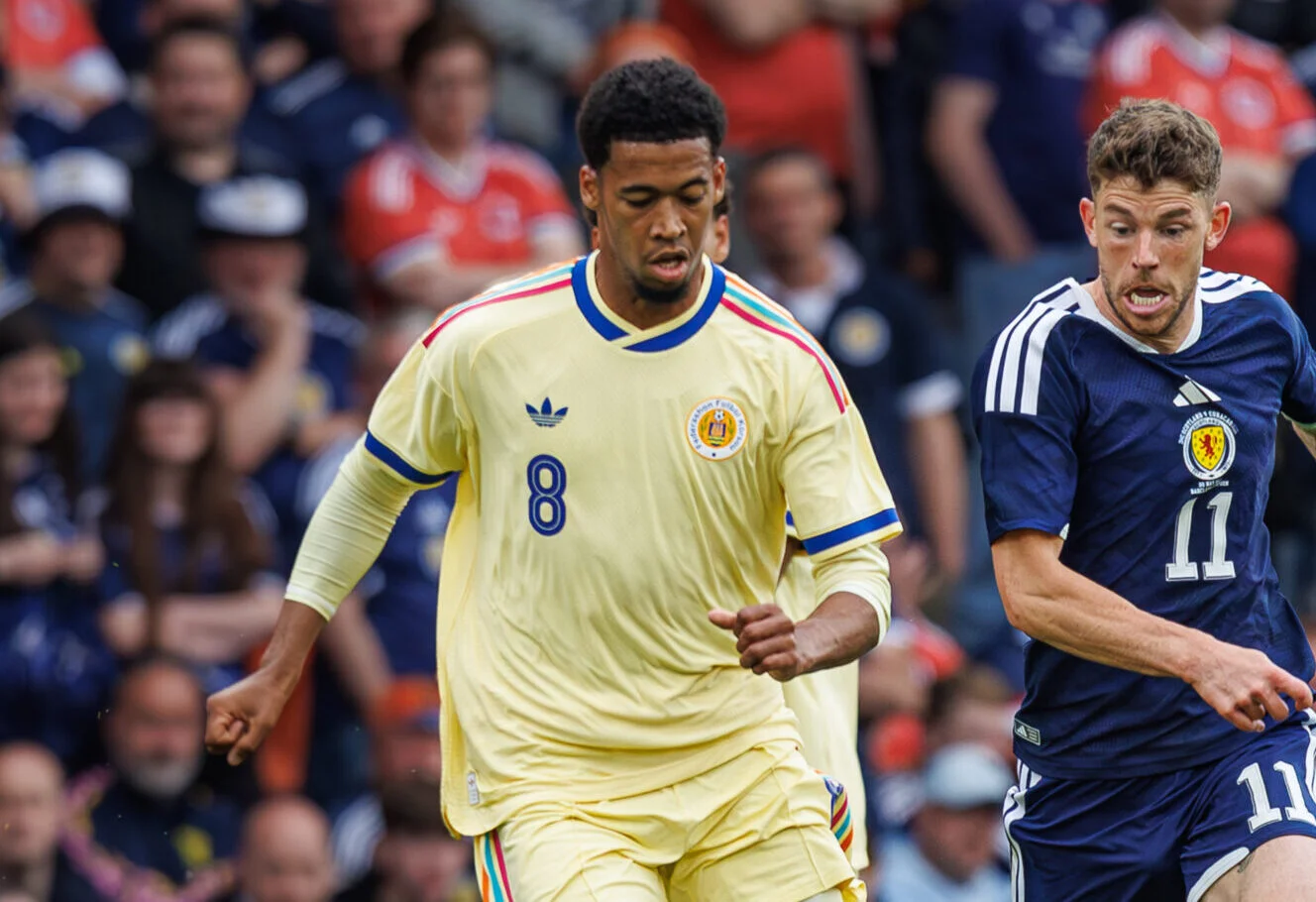
Curaçao’s away kit stands out remarkably with its dark blue and soft yellow combination that channels both creativity and playfulness. This marks a significant milestone as they head into their first World Cup, and the enthusiasm is palpable both on and off the field. Fans are not just supporting their team; they're experiencing history. (And this is the part most people overlook.) Curaçao's debut means that this kit will have more than just sporting significance as it will also serve as a symbol of inclusivity in the tournament.
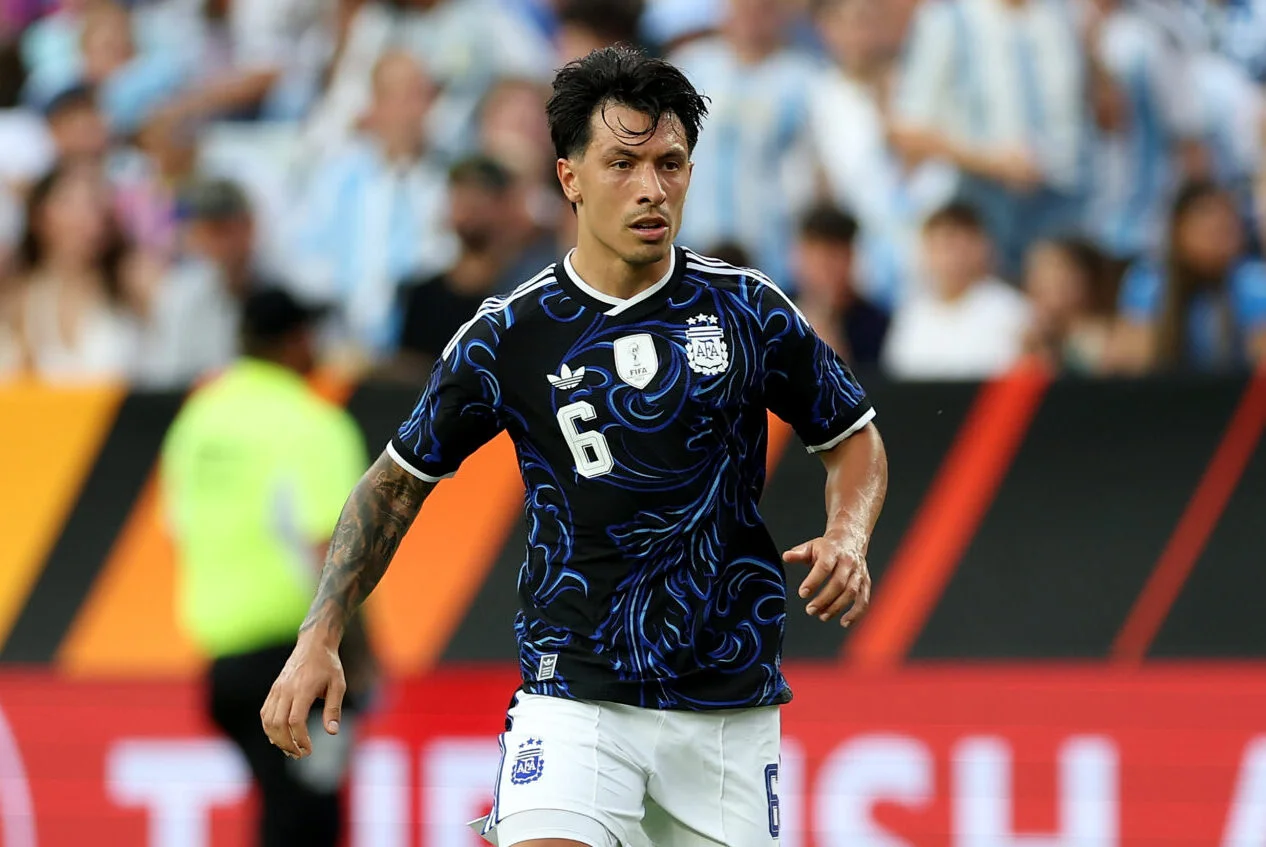
As for Argentina, defending their title in a striking away jersey, the bold design is something of a gamble. Critics might label it garish, yet the audacious approach is commendable in a sea of sameness, bringing excitement to fans and players alike. Boldness in design can either lead to acclaim or scorn, but one thing’s for sure: it stirs conversation, which is precisely what brands aim for in a saturated market.
Implications and Future Outlook
As the World Cup approaches, the kits serve not just as uniforms but as cultural artifacts, embodying the spirit and heritage of the nations represented. For professionals in the industry, this year's designs present valuable insights into brand strategies and the power of visual identity in sport. What this means for you, especially if you're working in this space, is that kit designs are evolving beyond mere fabric; they're becoming narratives.
Brands must navigate a complex web of cultural representation, fan appeal, and modern trends. The designs in 2026 give a clear indication of how brands are actively engaging with culture rather than simply placing logos on products. In that light, the choices made by teams and sponsors will likely influence future kit designs not just for football, but across sports. As sponsorship deals fluctuate and consumer expectations change, the stakes are higher than ever in this intersection of sport and style.